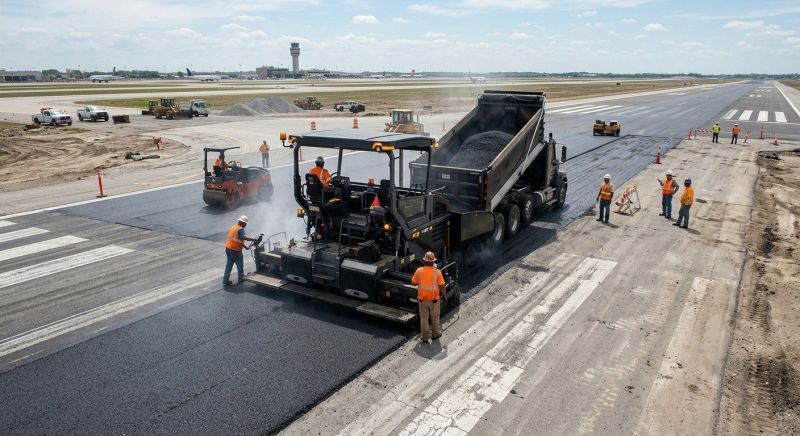
Airport Paving in Little Rock, AR
Airport paving services encompass the installation, repair, and maintenance of paved surfaces used for airport runways, taxiways, aprons, and other related areas. These projects often involve large-scale asphalt or concrete paving to ensure smooth, durable surfaces that meet safety and operational standards. Property owners requesting these services typically seek reliable solutions for constructing new paved areas or restoring existing ones that have experienced wear, cracking, or other forms of deterioration over time.
Before requesting airport paving, property owners should consider factors such as the size and scope of the project, the type of surface material desired, and any specific regulatory or safety requirements that must be met. Understanding the current condition of the existing pavement and any future usage plans can help determine the most appropriate paving options. Clear communication about project goals and site conditions can facilitate a smooth process from planning through completion.
Many property owners in Little Rock, AR look into Airport Paving for repairs, replacements, upgrades, and appearance-related improvements.
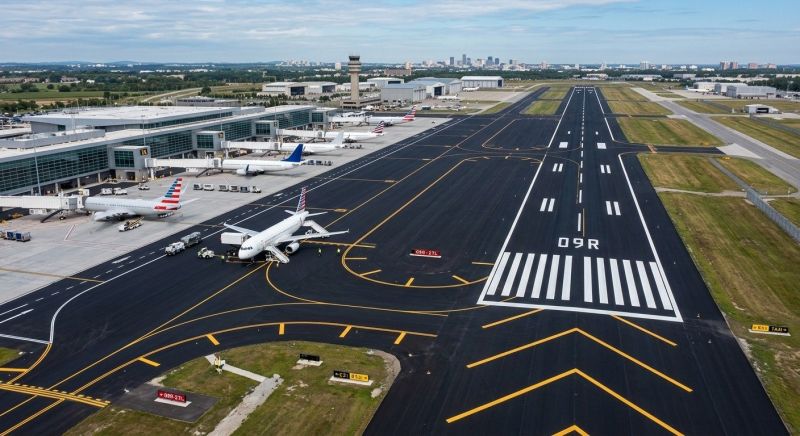
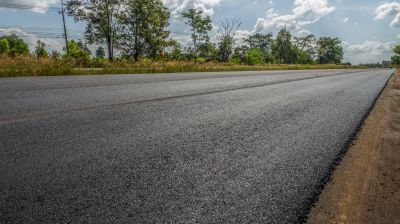
Airport Runway And Taxiway Paving
Ensuring smooth and durable surfaces for aircraft movement and safety.

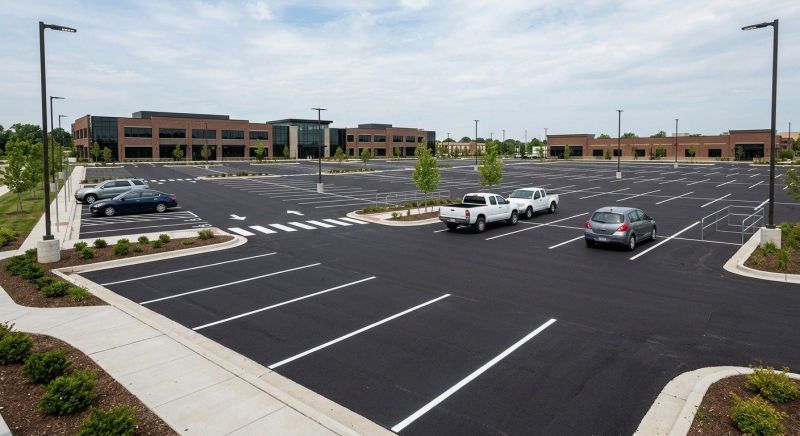
Parking Lot Paving For Airports
Creating reliable parking areas that handle high traffic volumes efficiently.
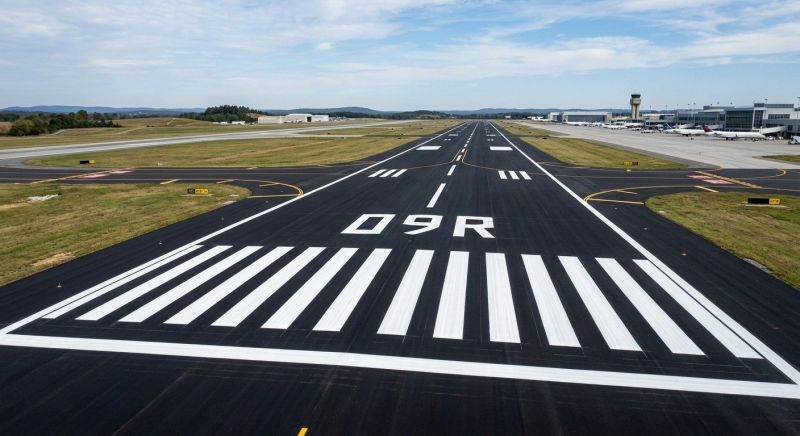
Airport Apron And Ramp Surfaces
Providing strong, long-lasting pavements for aircraft servicing and loading zones in little rock, ar.
Airport Paving in Little Rock, AR

Airport paving services encompass the installation, repair, and maintenance of paved surfaces used for airport runways, taxiways, aprons, and other related areas. These projects often involve large-scale asphalt or concrete paving to ensure smooth, durable surfaces that meet safety and operational standards. Property owners requesting these services typically seek reliable solutions for constructing new paved areas or restoring existing ones that have experienced wear, cracking, or other forms of deterioration over time.
Before requesting airport paving, property owners should consider factors such as the size and scope of the project, the type of surface material desired, and any specific regulatory or safety requirements that must be met. Understanding the current condition of the existing pavement and any future usage plans can help determine the most appropriate paving options. Clear communication about project goals and site conditions can facilitate a smooth process from planning through completion.
Many property owners in Little Rock, AR look into Airport Paving for repairs, replacements, upgrades, and appearance-related improvements.
Common Airport Paving Jobs
Asphalt Paving - durable asphalt surfaces for driveways and parking areas.
Repaving - restoring worn or damaged airport pavements to ensure safety and functionality.
Sealcoating - applying protective coatings to extend the lifespan of paved surfaces.
Concrete Paving - installing concrete runways, taxiways, or aprons for airport facilities.
Surface Repair - fixing cracks, holes, and other damage to maintain pavement integrity.
Line Striping - marking parking spaces and directional signs for clear airport navigation.
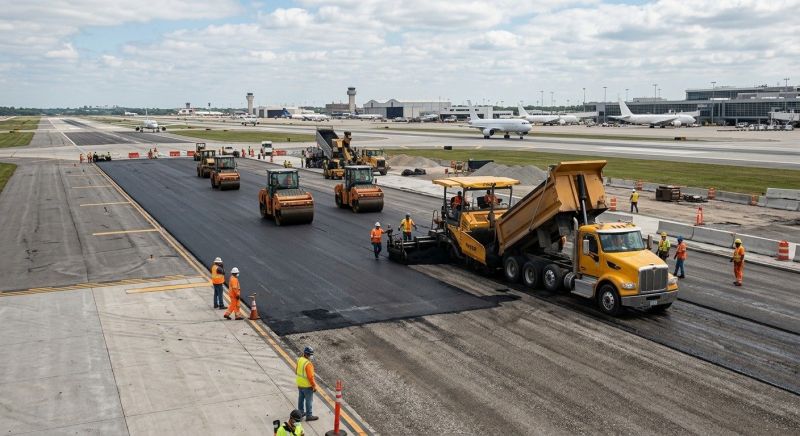
Airport Paving Questions
What types of paving projects are common for airports? Airport paving typically includes runways, taxiways, and aprons to ensure safe aircraft movement and parking areas.
How is airport paving different from regular driveway paving? Airport paving requires specialized materials and thicker surfaces to handle heavy aircraft loads and high traffic volumes.
What should property owners consider before starting airport paving? Proper site assessment, drainage planning, and surface durability are important factors for airport paving projects.
Are there specific materials used for airport paving? Yes, high-quality asphalt or concrete mixes designed for heavy loads are typically used for airport paving surfaces.
Request Airport Paving in Little Rock, AR
Use the quote form on this page to share the basics of your project and request more information for the type of work you need.